

 After the shepherds had such experiences with cordyceps on their animals, the step to a remedy for humans was only a logical consequence. Since cordyceps did not cause any side effects, it was soon used against a wide variety of ailments. For the barren heights of the Himalayas, the discovery of cordyceps has been a tremendous medicinal asset. But in the same way we can also benefit from the Cordyceps effect today.
 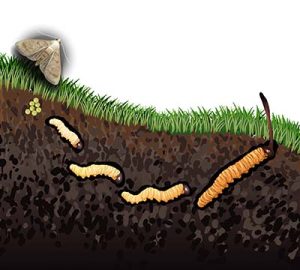 Its German name “Raupenpilz” is due to its peculiar growth. Thus, it invades the subterranean-living caterpillar of the moth Thitarodes as a parasite. Over the winter, it spreads through the caterpillar and eventually kills it. In the end, only the mummified shell full of fungal mycelium remains. In summer, a narrow, elongated mushroom body grows from the caterpillar’s former head up to the earth’s surface. From the outside, the fungus looks similar to the rest of the summer grass. From this growth cycle derives the Chinese name of cordyceps “Dong Chong Xia Cao”, which means “caterpillar in winter, grass in summer”.
So what are these wonderful ingredients that make cordyceps so effective in treating so many conditions? An analysis of cordyceps reveals, among other things, the following substances valuable for the human organism:
- Vitamin B1, B2, E and K
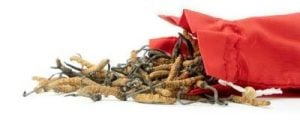
- Various minerals
- Trace elements: copper, zinc, selenium, iron, germanium
- all essential amino acids
- Polysaccharides: beta-glucans
- Nucleosides: cordycepin and adenosine
- Steroids: Ergosterol
Especially the last three groups of substances mentioned are true treasures for our health. We will come back to them at various points.

EXPERIENCE REPORTS
"I suffered from my cold feet all the time. At night, I could only ever fall asleep if I put on stockings. On top of that, I had a depressive mood. My doctor wanted to prescribe me antidepressants. But when I took Cordyceps, I finally found a solution. I became more efficient and my mood is excellent. My sexuality has also been stimulated."
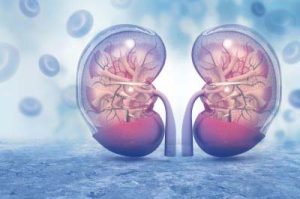 According to TCM, this can manifest itself in problems at the level of bones, joints and teeth. Back pain and premature signs of aging such as hearing loss, failing eyesight and gray hair are also linked to the kidneys. In addition, there are developmental and growth problems in childhood and adolescence. Since mental energy also originates in the kidneys, diseases can manifest themselves in anxiety, fatigue, insecurity and lack of concentration. The effect of cordyceps on the kidneys is described by expert therapists as tonic and strengthening. It nourishes the Qi in the kidneys and thus promotes all the energies of the body.
In traditional medicine, the positive effect of cordyceps on the kidneys has been proven in many ways. For example, the high cordycepin content was shown to provide better excretion of creatinine and urea. As a result, blood levels of urea, uric acid and creatinine have been shown to decrease. Smooth excretion and thus good creatinine clearance also have a salutary effect on kidney inflammation (nephritis) and dysfunction. In addition, cordyceps has a protective effect on the smallest functional units of the kidney, the glomeruli. If defects occur in them, too many proteins are secreted. In this case, physicians speak of proteinuria.
According to TCM, this can manifest itself in problems at the level of bones, joints and teeth. Back pain and premature signs of aging such as hearing loss, failing eyesight and gray hair are also linked to the kidneys. In addition, there are developmental and growth problems in childhood and adolescence. Since mental energy also originates in the kidneys, diseases can manifest themselves in anxiety, fatigue, insecurity and lack of concentration. The effect of cordyceps on the kidneys is described by expert therapists as tonic and strengthening. It nourishes the Qi in the kidneys and thus promotes all the energies of the body.
In traditional medicine, the positive effect of cordyceps on the kidneys has been proven in many ways. For example, the high cordycepin content was shown to provide better excretion of creatinine and urea. As a result, blood levels of urea, uric acid and creatinine have been shown to decrease. Smooth excretion and thus good creatinine clearance also have a salutary effect on kidney inflammation (nephritis) and dysfunction. In addition, cordyceps has a protective effect on the smallest functional units of the kidney, the glomeruli. If defects occur in them, too many proteins are secreted. In this case, physicians speak of proteinuria.  of Cordyceps. According to TCM teachings, it nourishes the yin of the lungs and has a tonic effect. It supports the respiratory system’s defenses, which is why viruses and bacteria have a much harder time entering the body through the mucous membranes under its influence. In particular, the antioxidant ingredients of cordyceps, such as beta-glucans, perform well in the defense against pathogens.
Cordyceps has a positive effect in the following other problem areas related to the lungs:
of Cordyceps. According to TCM teachings, it nourishes the yin of the lungs and has a tonic effect. It supports the respiratory system’s defenses, which is why viruses and bacteria have a much harder time entering the body through the mucous membranes under its influence. In particular, the antioxidant ingredients of cordyceps, such as beta-glucans, perform well in the defense against pathogens.
Cordyceps has a positive effect in the following other problem areas related to the lungs:
- Respiratory diseases: Cough, cold, shortness of breath, bronchitis
- obstructive pulmonary diseases: Asthma, COPD
- In animal studies, it inhibits the growth of lung cancer
- Prevention and therapy of pulmonary fibrosis (according to initial findings).
- traditional remedy for tuberculosis
- Increase in overall breathing volume – also beneficial for athletes
- improved exhalation of CO2 – supports the deacidification of the body
 As already described for the kidneys, the vital mushroom regulates the activity of the adrenal cortex. Stress hormones and thus also stress symptoms decrease noticeably by taking Cordyceps. In studies, the caterpillar fungus was shown to improve the ability to concentrate as well as the memory performance of people suffering from burnout. A comparable effect can be observed in dementia patients.
In addition to exhaustion, a depressive mood always plays a role in burnout. Here, the cordycepin, which is mainly contained in Cordyceps militaris, shows an alleviating effect. It regulates the sensitivity of various receptors in the body that are causally involved in mood swings. Another antidepressant ingredient is L-tryptophan, which is found in the Cordyceps mushroom. This is an amino acid from which the happiness hormone serotonin is synthesized in the brain. Its antidepressant effects are nowadays explained by the intestinal flora, the dectin-1 receptor, AMPA receptors and the stimulation of BDNF, the brain derived neurotrophic factor – this signaling pathway is now considered one of the most important targets in depression. This is complemented by its anti-inflammatory properties.
Healthy sleep is essential for a stable psyche. Those who suffer from sleep disorders can find relief with cordyceps. The Sinensis but especially the Militaris improve the quality of sleep in the long term due to the high content of cordycepin. Another positive effect is that cordyceps helps regulate blood pressure. Too high blood pressure, like too low blood pressure, is often the cause of poor sleep. Unlike sleeping pills from conventional medicine, you do not have to fear side effects or even dependence with medicinal mushrooms.
As already described for the kidneys, the vital mushroom regulates the activity of the adrenal cortex. Stress hormones and thus also stress symptoms decrease noticeably by taking Cordyceps. In studies, the caterpillar fungus was shown to improve the ability to concentrate as well as the memory performance of people suffering from burnout. A comparable effect can be observed in dementia patients.
In addition to exhaustion, a depressive mood always plays a role in burnout. Here, the cordycepin, which is mainly contained in Cordyceps militaris, shows an alleviating effect. It regulates the sensitivity of various receptors in the body that are causally involved in mood swings. Another antidepressant ingredient is L-tryptophan, which is found in the Cordyceps mushroom. This is an amino acid from which the happiness hormone serotonin is synthesized in the brain. Its antidepressant effects are nowadays explained by the intestinal flora, the dectin-1 receptor, AMPA receptors and the stimulation of BDNF, the brain derived neurotrophic factor – this signaling pathway is now considered one of the most important targets in depression. This is complemented by its anti-inflammatory properties.
Healthy sleep is essential for a stable psyche. Those who suffer from sleep disorders can find relief with cordyceps. The Sinensis but especially the Militaris improve the quality of sleep in the long term due to the high content of cordycepin. Another positive effect is that cordyceps helps regulate blood pressure. Too high blood pressure, like too low blood pressure, is often the cause of poor sleep. Unlike sleeping pills from conventional medicine, you do not have to fear side effects or even dependence with medicinal mushrooms. When Chinese track and field athletes set various new world records in 1993, their coach attributed this, among other things, to the performance-enhancing effect of Cordyceps. And indeed, the positive effect in the field of sports and endurance could be confirmed in recent studies. Scientists found several causal mechanisms at once:
At the cellular level, studies in mice,  showed that mitochondria were significantly more efficient when taking cordyceps. They attributed this to an increase in the energy units ATP, which the cellular power plants need to produce energy. In particular, liver cells showed an increased formation of ATP by up to 50%. This is also the big difference between cordyceps and chemical doping agents: The latter stimulate the cells to consume excessive energy. In the end, this leads to great exhaustion and an increased need for regeneration. Cordyceps, on the other hand, makes more energy available.
 on the smooth muscles in the walls of the vessels. At the same time, the risk of plaque formation was significantly reduced. Thus, cordyceps helps to keep blood pressure within the norm. Even strengthening of the heart and smoothing of cardiac arrhythmias are possible. Due to all these positive effects, cordyceps is an excellent means of doing something good for the strained circulatory system in cases of obesity.
 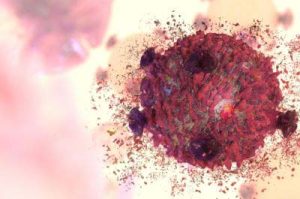 In the test tube, researchers observed the destruction of the cytoskeleton of cancer cells by cordyceps in leukemia, breast and prostate cancers. In practice, however, the use of cordyceps in breast cancer is rather discouraged, as its hormone-activating effect could support the tumor. Therefore, be sure to always get good advice!
Further studies indicate that the caterpillar fungus can starve cancer cells, primarily by preventing new blood vessels from forming toward the tumor. It also hinders the synthesis of proteins in the cancer cell, which further slows down growth. Cordyceps brings about all these wonderful effects without any side effects. In a disease like cancer, this means great hope for those affected, also because cordyceps can alleviate the side effects of chemotherapy and radiation and is therefore an important complement to complementary medicine. Its protective effect on the bone marrow has a positive influence on the immune system and circulation, as it supports the formation of new important cells.
Last but not least, the antioxidant power of cordyceps is of great importance both in terms of prevention and therapy of cancer. Antioxidants fight free radicals, which can be the cause of cell DNA damage. In particular, Cordyceps militaris proves to be highly antioxidant due to its high ergosterol content. However, Cordyceps sinensis also activates the body’s own enzymes superoxide dismutase and glutathione peroxidase, which have an antioxidant character. Scientists were able to clearly demonstrate the antioxidant effects with the help of the marker MDA. Its plasma concentration decreases with cordyceps intake, indicating lower saturated fat oxidation.
In the test tube, researchers observed the destruction of the cytoskeleton of cancer cells by cordyceps in leukemia, breast and prostate cancers. In practice, however, the use of cordyceps in breast cancer is rather discouraged, as its hormone-activating effect could support the tumor. Therefore, be sure to always get good advice!
Further studies indicate that the caterpillar fungus can starve cancer cells, primarily by preventing new blood vessels from forming toward the tumor. It also hinders the synthesis of proteins in the cancer cell, which further slows down growth. Cordyceps brings about all these wonderful effects without any side effects. In a disease like cancer, this means great hope for those affected, also because cordyceps can alleviate the side effects of chemotherapy and radiation and is therefore an important complement to complementary medicine. Its protective effect on the bone marrow has a positive influence on the immune system and circulation, as it supports the formation of new important cells.
Last but not least, the antioxidant power of cordyceps is of great importance both in terms of prevention and therapy of cancer. Antioxidants fight free radicals, which can be the cause of cell DNA damage. In particular, Cordyceps militaris proves to be highly antioxidant due to its high ergosterol content. However, Cordyceps sinensis also activates the body’s own enzymes superoxide dismutase and glutathione peroxidase, which have an antioxidant character. Scientists were able to clearly demonstrate the antioxidant effects with the help of the marker MDA. Its plasma concentration decreases with cordyceps intake, indicating lower saturated fat oxidation. 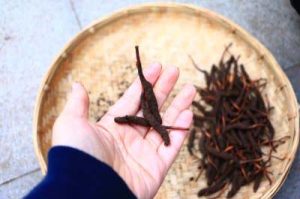 and therefore virtually unaffordable for the consumer – in addition, it has a very high arsenic content. Therefore, the Cordyceps products available on the market come exclusively from cultivars. In this case, the cultivated vital mushroom does not grow parasitically in a caterpillar, but on rice or grain. Thus, it is completely vegetarian or vegan.
When choosing a provider, be sure to look for compliance with organic standards. Breeding without these requirements entails a high risk of exposure to heavy metals and toxins. Fungi virtually soak up these from substrate, fertilizers and pesticides. Since the standards for organic cultivation vary greatly, we recommend in any case to obtain vital mushrooms of German origin.
and therefore virtually unaffordable for the consumer – in addition, it has a very high arsenic content. Therefore, the Cordyceps products available on the market come exclusively from cultivars. In this case, the cultivated vital mushroom does not grow parasitically in a caterpillar, but on rice or grain. Thus, it is completely vegetarian or vegan.
When choosing a provider, be sure to look for compliance with organic standards. Breeding without these requirements entails a high risk of exposure to heavy metals and toxins. Fungi virtually soak up these from substrate, fertilizers and pesticides. Since the standards for organic cultivation vary greatly, we recommend in any case to obtain vital mushrooms of German origin.  In research and practice, the data vary roughly between 750 mg and 3 g of mushroom mycelium per day. However, even at higher doses, the risk of cordyceps causing side effects is extremely low.
A treatment with vital mushrooms is always designed for a longer duration. The minimum is about three months. Although the healing power of the mushroom sets in immediately, the body needs time to recover completely. Sometimes the intake of Cordyceps can extend over years.
In research and practice, the data vary roughly between 750 mg and 3 g of mushroom mycelium per day. However, even at higher doses, the risk of cordyceps causing side effects is extremely low.
A treatment with vital mushrooms is always designed for a longer duration. The minimum is about three months. Although the healing power of the mushroom sets in immediately, the body needs time to recover completely. Sometimes the intake of Cordyceps can extend over years.